Dysphagia

Dysphagia is the term used to describe a difficulty with swallowing foods and liquids. Dysphagia may occur when a disease or it's treatment affects the muscles or nerves needed to swallow.

A significant proportion of stroke patients experience dysphagia1. It can also be associated with conditions like multiple sclerosis, Parkinson’s disease and dementia.2


Dysphagia affects around half of all patients who have had a stroke1

Dysphagia can impact on a person's ability to consume adequate nutrition for a number of reasons, including:

  • The time taken to eat meals increases
  • Self-restriction due fear of choking
  • Loss of enjoyment and the social aspect of eating
  • A dislike for texture modified food and fluids

As a result of these nutritional challenges, people who experience dysphagia can find it hard to get the nutrition they need, and malnutrition and dehydration can occur.

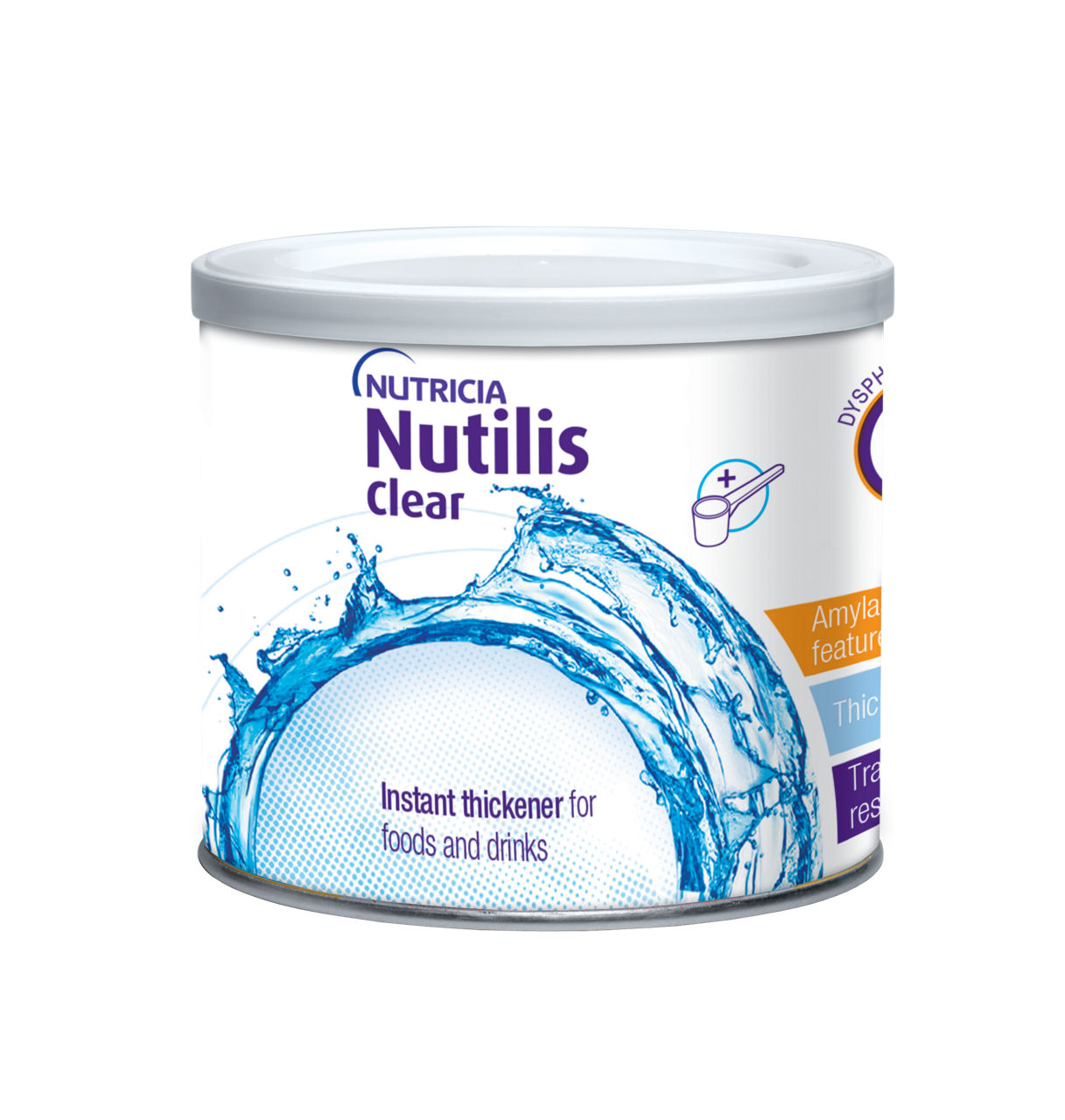
Our products are pre-thickened or designed to thicken foods and fluids to make them easier to swallow

How Dysphagia affects nutrition 

Dysphagia can impact on a person's ability to consume adequate nutrition for a number of reasons, including: 

  • The time taken to eat meals increases
  • Self-restriction due fear of choking
  • Loss of enjoyment and the social aspect of eating
  • A dislike for texture modified food and fluids

As a result of these nutritional challenges, people who experience dysphagia can find it hard to get the nutrition they need, and malnutrition and dehydration can occur.

Dysphagia can be managed by modifying the texture of food and fluids, and/or by correct positioning during mealtimes or practicing strengthening exercises for the muscles involved in the swallowing process. These strategies aim to make the swallowing process safer and will be advised by a speech and language therapist (SLT).

How good nutrition can help those with Dysphagia

Food provides us with energy (calories) and nutrients which are the substances the body needs to enable us to function every day. No single food provides us with the right mixture of these nutrients which is why we need to try and eat a varied balanced diet to keep well.

Texture modified food and fluids are a big change to our usual diet in many ways, including the way they look and the way they feel in the mouth. They may also provide less energy (calories) and protein than our usual diet as they can become 'watered down' in the texture modification process. Good nutrition is important to avoid malnutrition and dehydration. Providing a variety of foods that have an appetising appearance and including additional energy, protein, vitamins and minerals where possible can help to optimise nutritional intake. Providing a range of hot and cold drinks throughout the day can help to prevent dehydration.

How medical nutrition can help 

Good nutrition is important to avoid malnutrition and dehydration. Providing a variety of foods that have an appetising appearance and including additional energy, protein, vitamins and minerals where possible can help to optimise nutritional intake. Providing a range of hot and cold drinks throughout the day can help to prevent dehydration.

Ensuring food and fluids are the correct texture is essential in the management of dysphagia. Food and fluid thickeners can be used to thicken drinks and pureed meals to the recommended consistency that has been prescribed by the speech and language therapist (SLT).

Healthcare professionals may prescribe pre-thickened oral nutritional supplements for those with dysphagia who cannot get adequate nutrition from diet alone. They come in a range of flavours and provide additional energy, protein, vitamins and minerals.

48% of people with dysphagia are malnourished3

Nutricia’s commitment to nutrition in Dysphagia

Our Product Range

1730-nutricia-n-america-hcp-dr-blackford005

Register to access services and resources to support your patients

  • Our free Sampling Service to order product samples and have them sent to your patients' homes.
  • Nutricia Academy - A range of CPD accredited e-learning programmes.
  • Stay up to date with educational events, the latest scientific research and product updates.

  1. Martino R, Foley N, Bhogal S, et al. Dysphagia after storke: incidense, diagnosis and pulonary complications. Stroke. 2005;36:2756-63
  2. RCSLT. RCSLT resource manual for commissioning and planning services of slcn: Dysphagia. 2014. Accessed via http://www.rcslt.org/speech_and_language_therapy/commissioning/dysphagia_manual_072014
  3. Felt P. Nutritional management of dysphagia in the healthcare setting. Healthcare Cateres international. 2006;1:11-43

Important Notice

All products shown here are Foods for Special Medical Purposes and must be used under medical supervision. See individual product labels or product data cards for more information.

Do you need support?

Contact our team of experts for guidance and support on the use and composition of the Nutricia product range. We are available Monday to Thursday 9am-5pm and Friday 9am-4pm (except Bank Holidays)

Contact form

Send us a message

Phone

Call us on 03457 623653

This page is for Patients/Carers

Please tell us who you are so we can show you the most relevant information

Healthcare Professional

You'll be taken to the patient/carer content. You can switch to healthcare professional content at any time using the navigation

Patient or Carer

Continue to information designed for patients and carers

x